Quarto
Authors/Ted Orland

Writing

Ted Orland

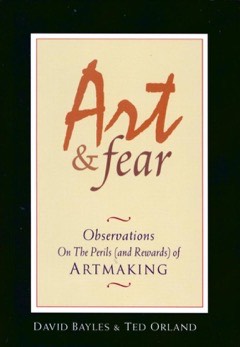
Ted Orland is an American photographer, writer, and educator who served as assistant to Ansel Adams and co-authored Art & Fear, a widely influential guide to the psychology of artmaking.

Why They Matter

Ted Orland began his professional career as a young graphic artist working for the legendary designer Charles Eames before serving as assistant to photographer Ansel Adams. These apprenticeships gave him an unusually broad perspective on the creative process, spanning industrial design, fine art, and the practical realities of making a living through creative work. He has taught and lectured extensively on photography and the creative process. Orland's collaboration with David Bayles on Art & Fear grew from decades of shared conversation about the challenges facing working artists. His own subsequent book, The View from the Studio Door, extended the inquiry into the social and economic dimensions of creative life. Together, these works constitute one of the most honest and useful bodies of writing about what it means to sustain a creative practice over time. Orland lives in Santa Cruz, California, where he pursues parallel careers in teaching, writing, and photography. His influence reaches well beyond the visual arts: Art & Fear is assigned in writing workshops, music conservatories, and design studios worldwide, a testament to its authors' insight into the universal challenges of making original work.

Books

Notes

From Eames to Adams to Universal Craft

Orland's career trajectory -- from graphic artist for Charles Eames to photographic assistant for Ansel Adams -- gave him an unusually wide-angle view of creative practice, spanning industrial design and fine art. This breadth allowed him to see the common psychological patterns that underlie all forms of making, regardless of medium or commercial context. His co-authorship of Art & Fear and his subsequent book The View from the Studio Door reflect a consistent interest in the gap between the idealized image of the artist and the daily reality of creative labor. Orland's contribution to the literature on creativity lies in his ability to articulate what working artists know but rarely say aloud.